Water treatment to ease eczema and skin disorders
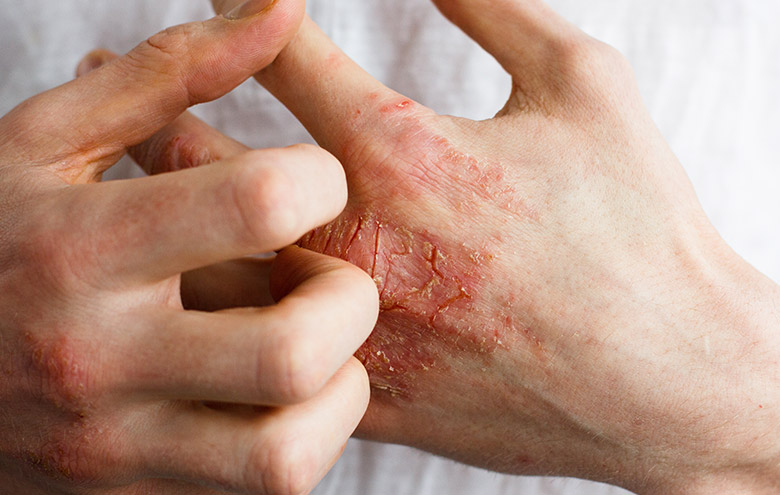
If you know someone who lives with eczema, you understand the impact it can have on everyday life. What many don’t know, is that two things in mains water supply can greatly exacerbate skin conditions – hard minerals and chlorine.
Common triggers to skin disorders such as eczema are common in everyday life:
- Laundry detergent (particularly scented)
- Stress
- Dry skin
- Hard water
- pH
The National Eczema Organisation, based in the US, has published a useful article by Melissa Tanoko (2022, updated Nov 2024) about the role of hard water plays in exacerbating topical dermatitis (eczema). Today we are going to look at some water treatment processes that reduce water contamination, to reduce skin irritation. These processes are carbon filtration, water softening and reverse osmosis.
Water filtration and water softening reduce specific chemical and mineral contaminants that may make water irritating to eczema sufferers. Reverse osmosis, on the other hand, removes almost all contaminants from water, leaving only water molecules. Thus, it’s the purest water with the fewest contaminants and irritants.
Water filtration
Carbon is used in under sink/single outlet filtration, as well as whole-house (complete home) filtration. Carbon is excellent at removing chlorine, which can cause dry skin and increase the symptoms of eczema. Chlorine and other contaminants are removed by passing water through carbon, which absorbs the contaminant. This may be carbon block or granulated activated carbon (GAC).
Water softeners
Hard water can make skin more susceptible to eczema. Areas like South Australia and Western Australia, that are rich in minerals like calcium and magnesium, often have hard tap water.
Water softeners work by reducing hard minerals in water. At Freshwater Systems, we use a process of ion exchange in our water softeners, replacing hard water causing ions with softer sodium ions.
Water softeners are mainly used to filter whole house water supplies, so showering, clothes and bedding benefit from mineral removal. An added benefit is stopping scale build up in appliances, taps and pipes, and soaps lather more – using less detergents and shampoos.

Reverse osmosis
Reverse osmosis creates the purest water available domestically, however is most economically used in under sink systems for drinking water. This can alleviate irritation caused by using water in the kitchen by dish washing and during food preparation.
Support for finding the right system for your family
We often hear that the options are overwhelming and it’s hard to find complete and honest advice for water filtration selection. We have a number of resources available to help you make decisions on what water filtration will suit your needs. See the links below, or feel free to call us for a chat.
- What to Look for in a Water System
- Choosing a Water Filter
- Pros and Cons of Types of Water Filtration System
- Filtration Types and What They Filter
- Summary Cheat-Sheet of Water Filtration Types
- Reverse Osmosis vs Filtration
We offer advice happily, with no obligation. If you’d like to explore options for reducing skin irritation in your home, contact us online or give us a call.
Contact Us