
Reverse Osmosis vs Filtration
Water filtration and purification are terms we often see used interchangeably, yet they are actually different processes and result in varying degrees of effectiveness in removing impurities from water.
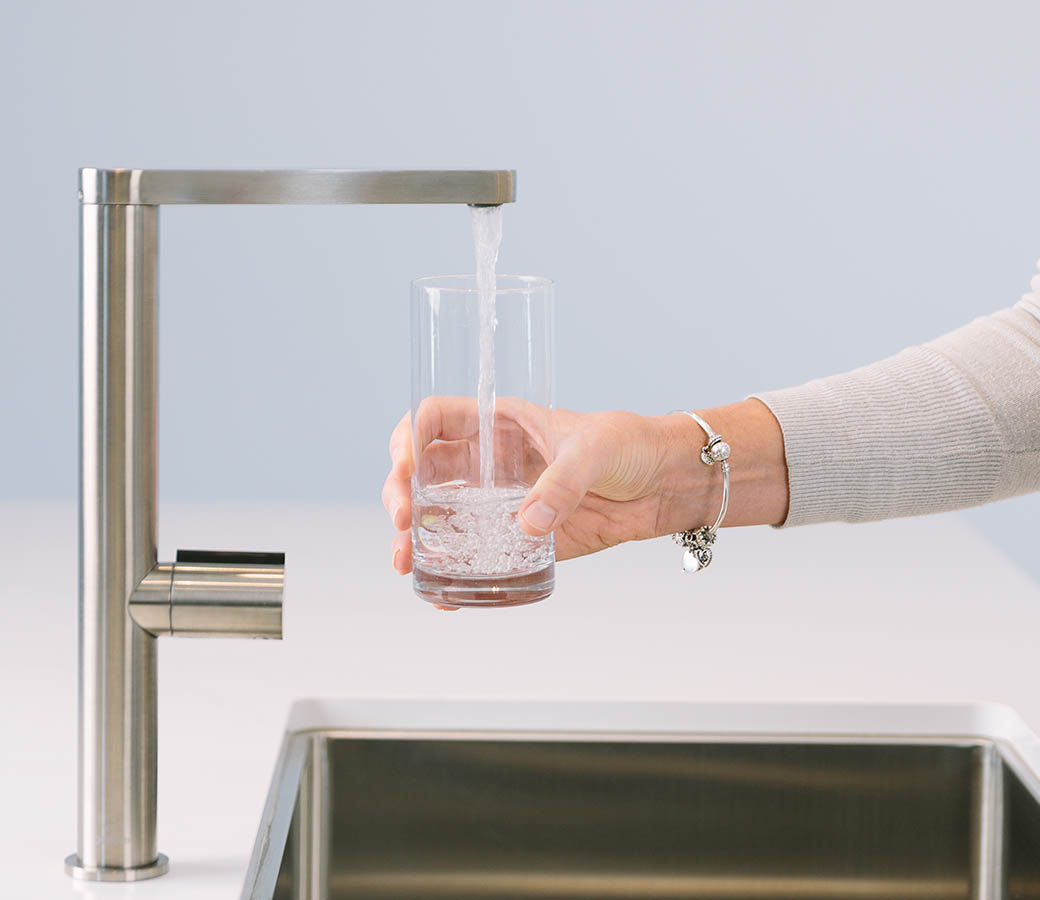
Among the water filtration and purification methods available, reverse osmosis (RO) purification stands out as a superior technology, offering a level of water quality that surpasses traditional filtration systems.
Generally, the choice is personal preference with consideration given to factors such as:
- The level of purity desired
- What type of water is being sourced
- How many outlets you wish to access water from in your house
- Initial and ongoing maintenance costs
- Any lock-in contracts or contracts that may be asked of you by some (often well-known) companies in Australia
While filtration can significantly improve water quality, it may not be sufficient to eliminate all contaminants, especially those of microscopic size. On the other hand, reverse osmosis, a more advanced form of water treatment, goes beyond mere filtration, providing a comprehensive solution to ensure the purity of drinking water.
How is reverse osmosis different to water filtration systems?
Water filtration primarily involves the removal of impurities and contaminants by passing water through a porous medium or a series of filters. Often polypropylene mesh, granulated carbon and carbon block are used in water filters.
One of the key distinctions between water filtration and reverse osmosis purification lies in the size of the particles they can effectively remove. Traditional filtration methods are generally effective against larger particles, such as sediment and visible impurities. However, they may fall short when it comes to tackling smaller contaminants like bacteria, viruses, and dissolved minerals. Reverse osmosis, with its semi-permeable membrane, acts as a molecular barrier, effectively blocking particles down to the microscopic level. This makes it an ideal choice for those seeking water that is not only clear but also free from harmful microorganisms and dissolved impurities.
Unlike traditional filters that may struggle with the removal of heavy metals, pesticides, and certain chemicals, reverse osmosis membranes are designed to reject a wide range of impurities. This includes substances like lead, chlorine, fluoride, and volatile organic compounds that can end up in ground water from industries such as dry cleaning and petrol stations.
Another notable advantage of reverse osmosis purification is its efficiency in eliminating bad taste and odour from water. Filtration alone may not completely address taste and odour issues caused by dissolved contaminants, but the thorough removal capabilities of RO systems ensure that the water not only meets safety standards but also exceeds expectations in terms of taste and overall quality.
Frequently asked questions about Reverse Osmosis vs Water Filtration
What are the benefits of Reverse Osmosis vs Filtration in the home?
There are several benefits of reverse osmosis over water filtration:
- Removes scale build-up on appliances, caused by buildup of minerals
- Reverse osmosis is the only purification that removes heavy metals such as mercury and lead from water, which are associated with poor health when ingested
- Reverse osmosis cleans the water to a molecular level, removing all causes of discolouration from water, such as tannins which are impossible to remove with filtration alone
- Reverse osmosis removes pesticides, herbicides, and nano-plastics from water
- Reverse osmosis removes fluoride and chloramine (ammonia and chlorine) from water
- Removes minerals from water, allowing you to retain purity or replace at controlled, healthy levels
- Superior taste for coffee.
Reverse osmosis is the only domestic water treatment that will remove tannins from rainwater and non-mains water.
Is Reverse Osmosis more expensive to install than Water Filtration systems?
While it’s true that reverse osmosis systems may have a higher initial cost compared to traditional water filtration systems, the long-term benefits often outweigh the upfront investment. These systems require minimal maintenance and boast impressive durability, providing a reliable and cost-effective solution for ensuring the consistent delivery of pure and safe drinking water.
What are the ongoing costs of Reverse Osmosis vs standard Water Filtration systems?
Water filtration systems and reverse osmosis systems both require periodic maintenance to ensure they continue operating at their optimum performance. For both systems, filters generally require changing every 12 months, depending on how much water you filter. Quick change filters usually require replacement twice as frequently, every 6 months, and filters are significantly more costly per unit.
Reverse osmosis water systems require filter changes every 12 months, and also require membrane change every 2 years. They will remove the necessity of LED or UV treatment, however, which is required for filtered rainwater or non-mains water.
Reverse osmosis uses more water in its processing than filtered water alone, however produces unsurpassed levels of purity.
All in all, the choice is personal. Reverse osmosis is higher on cost water usage, but provides water that is uncontested in purity and quality. It provides pure water containing only water molecules, without contamination, to consume directly, or from which you have the option to tailor to your own needs. This allows you the healthiest water for you and your family.
To help you understand more about each type of filtration, read our Filtration Media Types and What They Filter summary page
Our Pros and Cons of Each Type of Water Filtration System page helps to give background on each type.
Refer to our handy Summary Cheat-sheet of Water Filtration Types that summarises everything you need to know.
Do you have more questions about water filtration options? Please reach out to the Freshwater Systems team who can help you find the right system for you. We are happy to help! Contact us online or give us a call.
Contact Us