
Chemical Dosing
In industries ranging from manufacturing to hospitality, Freshwater Systems uses chemical dosing to maintain water quality, prevent scaling, corrosion, and biological growth, and ensure the water is safe for its intended use.
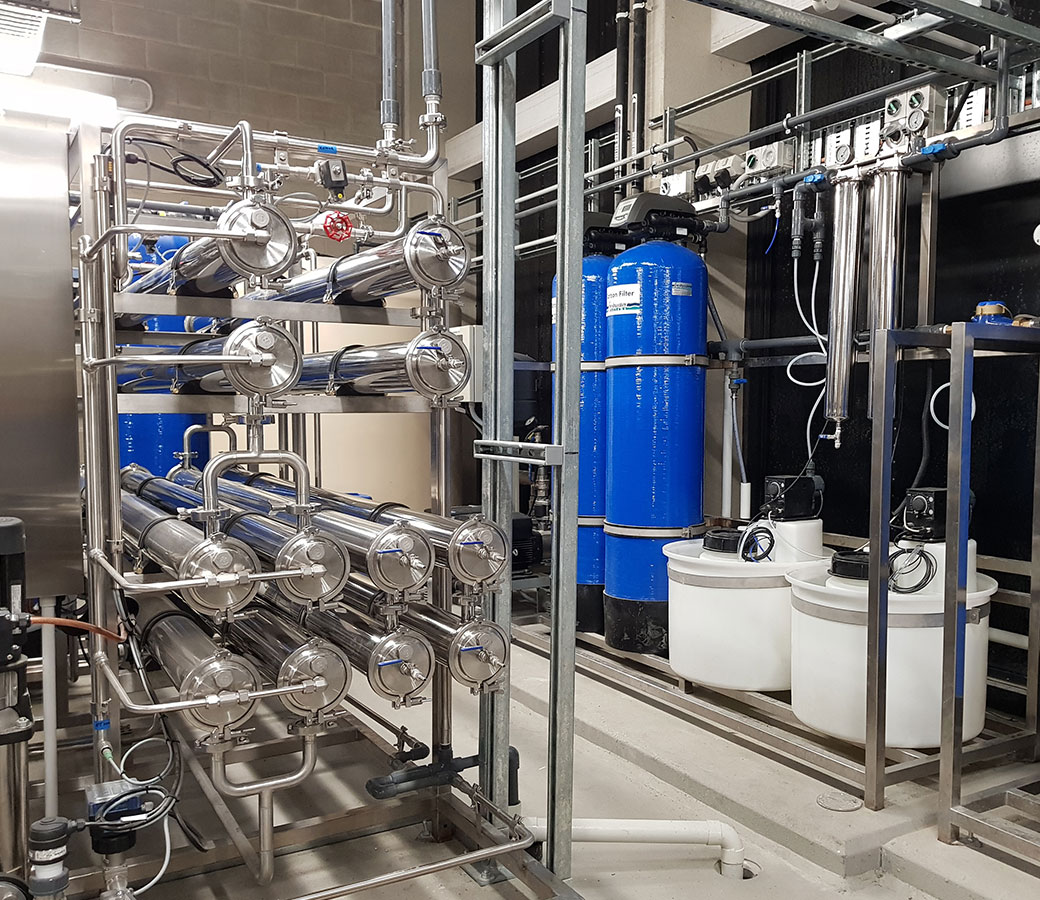
Commercial chemical plays an important role in modern water treatment processes, ensuring that water systems operate efficiently and meet stringent health, safety, and environmental standards. Chemical dosing facilitates precise control of water treatment processes.
Freshwater Systems offer an extensive range of technically advanced water treatment chemicals that have been specifically developed to be used across a wide range of commercial, industrial and process applications, including water cooling systems, cooling towers, and condenser & compressor systems.
Water Treatment Chemicals available from Freshwater Systems:
- Coagulants/Polymers
- Acid and Alkalinity Builders
- Flocculants
- Biocides
- Steam/Condensate Corrosion Inhibitors
- Scale and Corrosion Inhibitors
- Oxygen Scavengers
- Chlorine
Chemical Dosing Systems and Technology
Modern chemical dosing systems have evolved significantly, incorporating advanced technology to improve precision and efficiency. These systems consist of:
- Dosing Pumps: High-precision pumps are used to inject chemicals into the water system. These pumps can be configured to deliver the exact amount of chemical required, ensuring that there is no under- or over-dosing.
- Control Systems: Automated control systems use sensors and monitors to continuously analyze water quality and adjust the chemical dosing accordingly. These smart systems ensure optimal dosing, reduce chemical wastage, and minimize the risk of human error.
- Storage and Handling: Proper storage and handling of chemicals are essential to prevent leaks, spills, and contamination. Commercial systems often include bulk storage tanks, secondary containment, and safety protocols for chemical handling.
Algae and Befouling Control
Chemical dosing can help control the growth of algae and befouling in water systems such as reservoirs, cooling towers and swimming pools.
Algaecide and biocides are commonly used to inhibit the growth of algae, bacteria and other microorganisms that can lead to aesthetic issues, clogging and system inefficiency.
Disinfection and Biological Control
Water systems can be breeding grounds for bacteria, algae, and other harmful microorganisms. Chemical dosing of biocides and disinfectants, such as chlorine or bromine, helps control microbial growth, ensuring water remains safe for consumption or industrial processes.
Common disinfectants used include chlorine, chlorine dioxide and ozone. The process helps prevent the spread of waterborne diseases and ensures the safety of drinking water.
Removing of Contaminants
Coagulants such as aluminium sulphite or ferric chloride can be added to induce the formation of floc. This assists with the removal of suspended particles, turbidity and certain dissolved substances.
pH Control
Maintaining the correct pH level is vital to prevent corrosion and scaling in water systems. Chemicals like acids or bases are dosed to adjust the pH levels, ensuring optimal conditions for both equipment and the water itself.
Dosing allows or precise pH adjustment of water. Controlling pH is crucial to the effectiveness of disinfection processes, stability and other chemicals and overall water quality.
Freshwater Systems supply and service a large range of pH monitoring/Neutralising plants. In an application where waste water requires treating before being discharged to sewer, Freshwater Systems custom design and manufacture pH Neutralising plants.
Corrosion Prevention
Untreated water can cause corrosion in pipelines, boilers, and heat exchangers, leading to costly repairs and downtime. By dosing corrosion inhibitors, industries can protect their infrastructure and prolong the lifespan of their equipment.
Scaling Prevention
Hard water, which contains high levels of calcium and magnesium, can lead to the buildup of scale. Scale deposits can decrease the efficiency of heating systems, block pipes, and reduce the flow of water. Dosing antiscalants prevents this buildup, maintaining the performance of water systems.
Coagulation and Flocculation
In wastewater treatment, chemical dosing helps in the removal of suspended solids and organic materials. Coagulants and flocculants are used to aggregate small particles into larger clumps, which can then be easily removed by filtration or sedimentation.
Process Optimisation
Chemical dosing enables precise control and optimisation of water treatment processes. By carefully adjusting the dosing rate of chemicals, operators can ensure effective treatment to minimise costs and maintain regulatory compliance.
Contact the team at Freshwater Systems to discuss your specialised water treatment needs.
Contact Us


