

Removing PFAS
There are many reports about PFAS in the media lately, which may have you wondering whether this is something you should be concerned about. We’ve taken some of the guess work out of this, to summarise the basics…
What are PFAS?
Perfluoroalkyl and Polyfluoroalkyl Substances (PFAS) molecules have a chain of linked carbon and fluorine atoms. Because the carbon-fluorine bond is one of the strongest, these chemicals do not degrade easily in the environment¹.
PFAS are used in construction, electronics, automotive and aerospace and can be found in ground water, from contamination sites such as airports, Defence bases, fire stations, landfills, petrol stations, fuel storage and refineries, mining locations, sewage treatment plants and locations where fire-fighting training may have taken place.
Should I be worried about PFAS?
Human exposure to PFAS is widespread but varies considerably by geographic location and occupation. Because they break down very slowly, if at all, and they are really mobile in water, they can travel a long way from their source.
Most people are likely to have PFAS retained in their bodies, right now. They’re found in most people’s blood and urine. The main concern is that they don’t break down easily and accumulate.
PFAS have been linked to environmental and health issues, including some cancers, but a lot remains unknown about the true scale and potential impacts of the problem – including how much is in our water supply.
While there isn’t sufficient research regarding the specific impacts on our health, because there are thousands of different PFAS chemicals and they are so cumulative, there is a strong case to reduce intake of them as much as possible.
How to remove PFAS
PFAS is very water mobile, and gets into ground water and many water sources. There are very few filtration methods that filter out these molecules successfully.
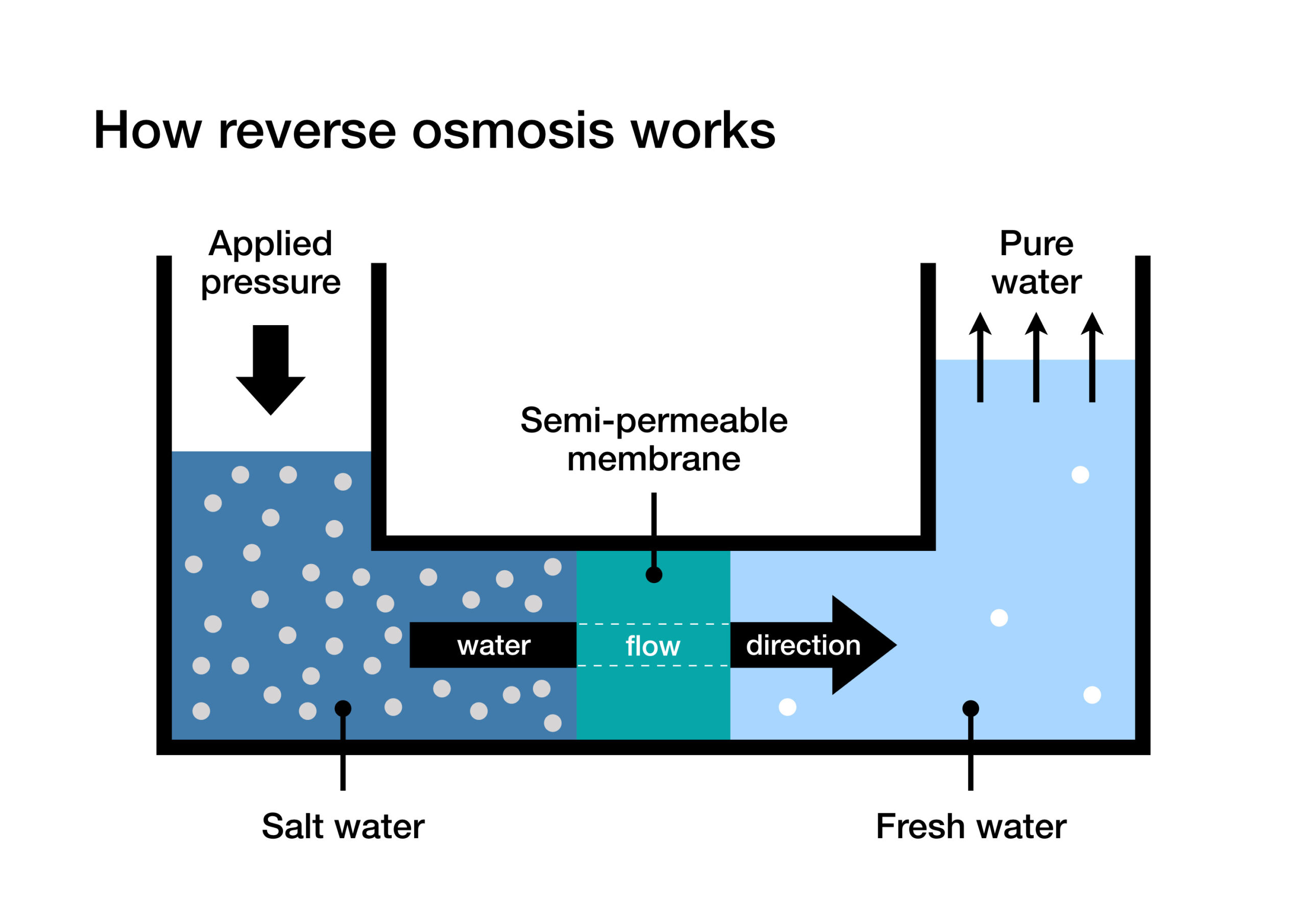
Reverse osmosis removes most contaminants from water, including PFAS and heavy metals, leaving pure water molecules.
Reverse osmosis membrane technology is the only method available to households to remove PFAS from drinking water. Reverse osmosis removes over 98% of contaminants, including fluoride, heavy metals and microorganisms leaving the purest water available for domestic use.
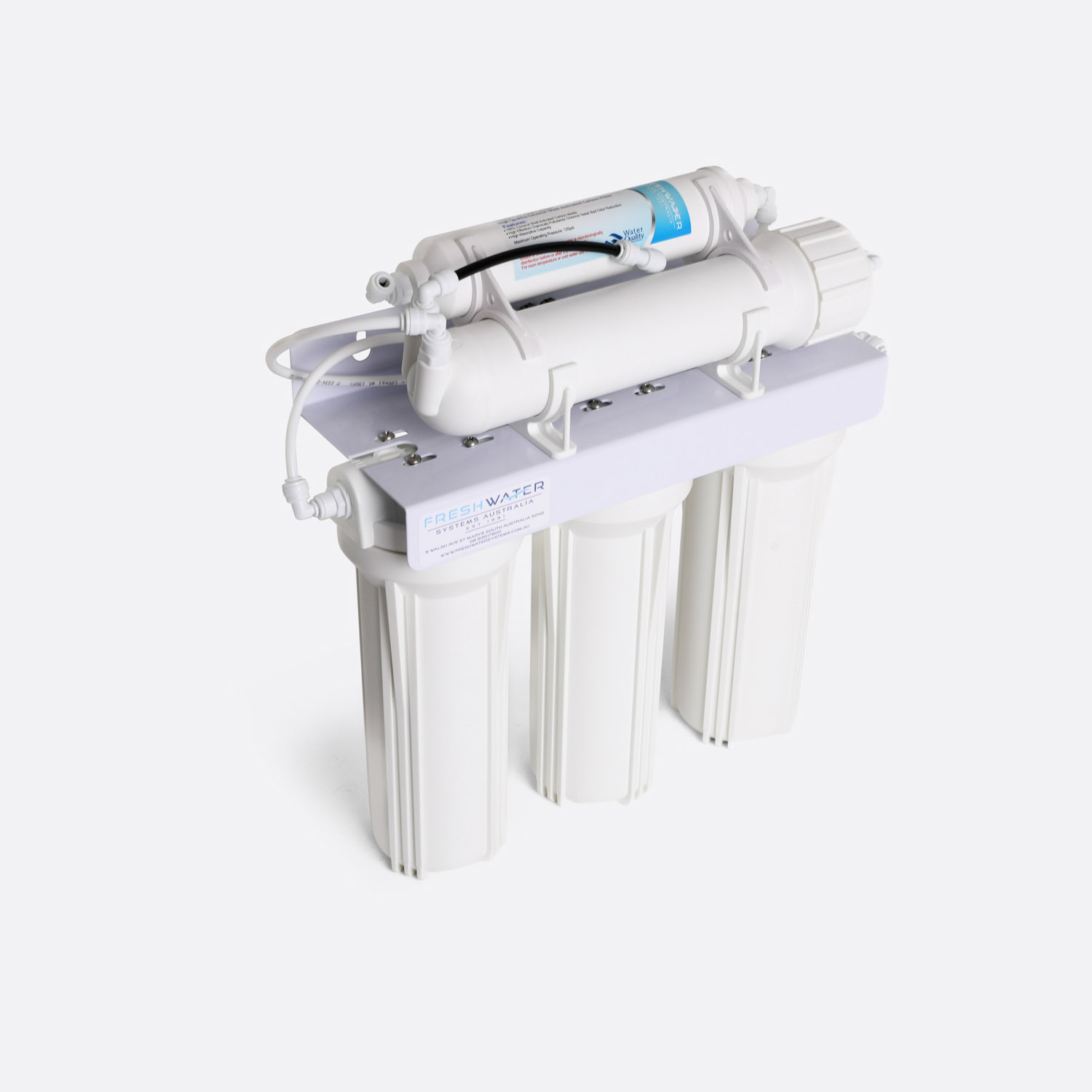
5-stage Reverse Osmosis System, also available with pump
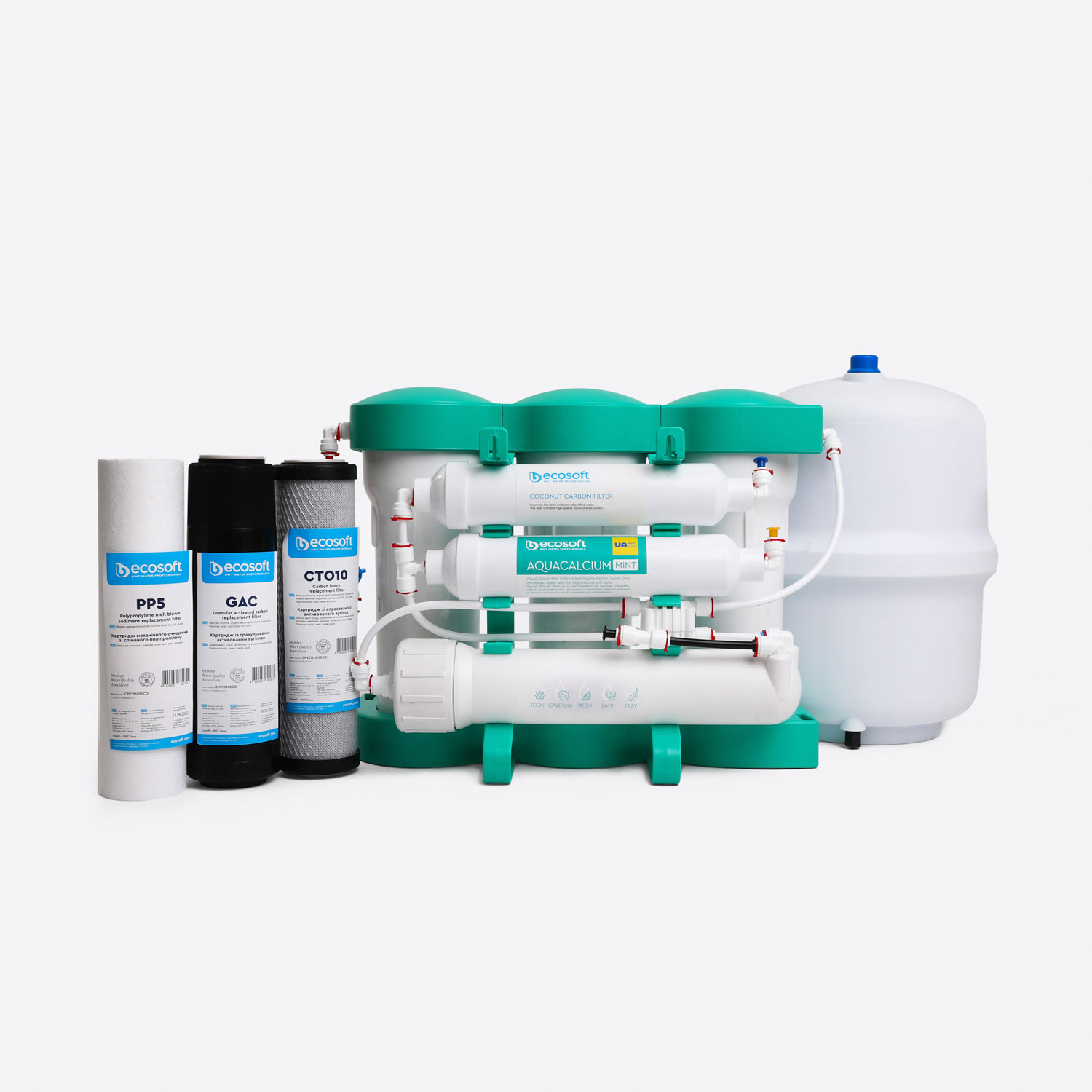
Ecosoft Aquacalcium Reverse Osmosis and remineralisation system
Various systems are available that enable you to add minerals back into reverse osmosis water or modify its pH level, enabling you to tailor your water to suit your taste and health interests.
We are known for our friendly advice and are happy to answer any of your questions. For more information, feel free to call our team.
¹ National Institute of Health Sciences, USA Govt